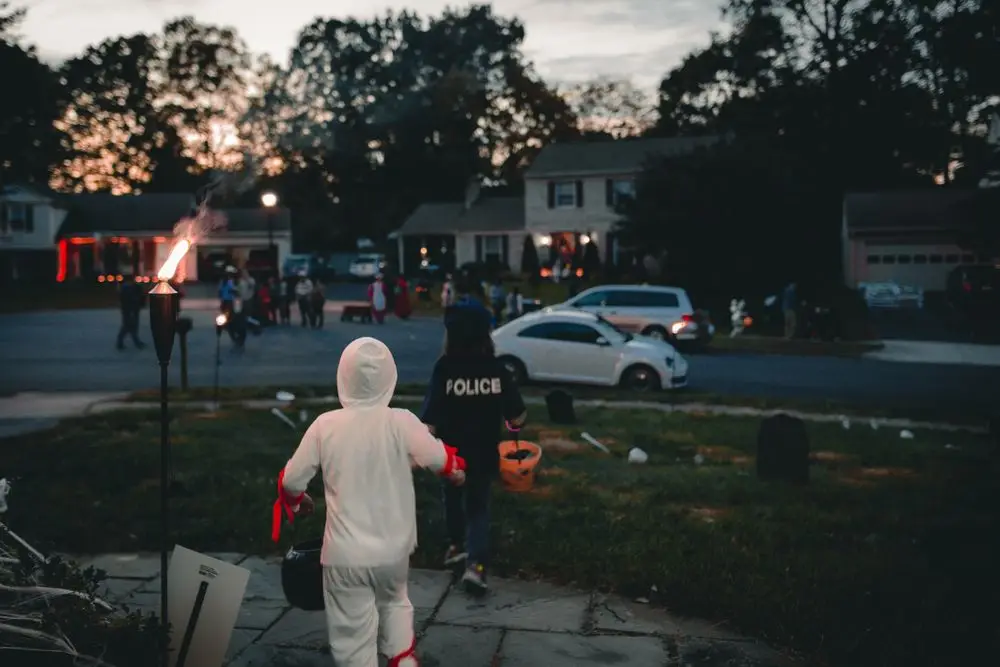
There is a particular smell that takes you back before you even realize what's happening. A sound. A kind of light at a certain time of year. And suddenly you're ten years old again, standing in a place you thought you'd left behind.
Most of us don't spend much time thinking about where we grew up. We move forward. We build new lives, maybe in new cities, maybe far from anyone we knew as kids. We tell ourselves the past is the past. But the town that shaped your earliest years is still in there, quietly running in the background of everything you do.
Your hometown didn't just give you an address. It gave you a blueprint.
The Place You're From Becomes the Lens You See Through
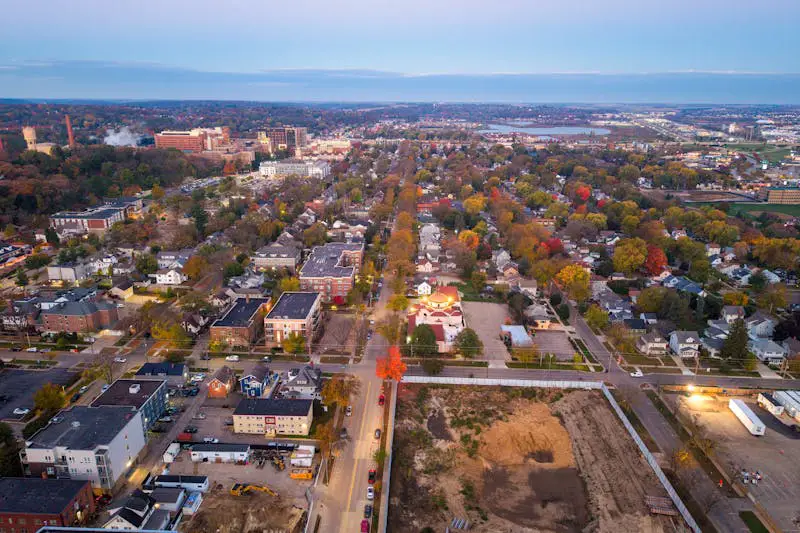
Psychologists have written extensively about the concept of "place identity," the idea that where we grow up becomes embedded in our sense of self in the same way that family, culture, and personal experience do. The streets you walked, the buildings you passed, the geography itself, all of it becomes part of how you understand the world.
If you grew up in a small town, you probably carry a different set of default assumptions about community, trust, and privacy than someone who grew up in a city. If you grew up near the water, or the mountains, or flat farmland, the landscape shaped your sense of what open space feels like, what quiet sounds like, what beauty is supposed to look like.
These aren't preferences you chose. They were absorbed, the way children absorb everything, before you had the vocabulary to name them.
The Way You Talk, What You Eat, and What You Believe
Your hometown shows up in your speech. Maybe it's an accent, or a regional expression that still slips out when you're tired or comfortable. Maybe it's the specific words you use for a grocery cart or a drinking fountain. Linguists call these "shibboleth" words, local markers that immediately signal where someone is from, often without their knowledge.
It shows up in your food, too. The things your family ate that you assumed everyone ate. The regional dish you didn't know was regional until a friend looked at you sideways for mentioning it. The bakery, the diner, the corner store that flavored your idea of what good food is supposed to taste like.
And it shows up in your values. Whether you were raised in a place that valued self-reliance or community. Whether your hometown was religious or secular, working class or professional, proud of its history or looking past it. These things shape how you vote, how you raise your kids, what you think a good life looks like.
You didn't choose any of it. And yet it's yours.
Leaving Doesn't Mean Leaving It Behind
There's a version of the hometown story that goes like this: you grow up somewhere, you can't wait to leave, you leave, and you become a different person. A freer person. And in some ways that's true. Leaving can be liberating. Distance gives perspective.
But the people who move away from their hometowns often find that the place follows them in unexpected ways. They seek out familiar foods in new cities. They feel a pull toward the same kinds of landscapes. They find themselves defending the place they used to criticize, or at least understanding it differently, once they've seen the contrast.
Thomas Wolfe famously wrote that you can't go home again, meaning the home you remember doesn't exist anymore, and neither does the version of yourself that lived there. That's true. But the mark the place left on you, that goes everywhere.
The Stories You Haven't Told Yet
Here is what most people don't do: they don't write any of this down.
They don't write about the specific intersection where they used to meet their friends after school. They don't describe the way their neighborhood sounded on a summer evening, or what their grandmother's street looked like in winter, or what it felt like to be young in that particular place at that particular time.
And when they're gone, that record goes with them.
Your hometown memories are not just nostalgia. They are data. They are the raw material of your identity, and they are primary sources that your children and grandchildren will never have access to unless you create them. What was it actually like to grow up where you grew up? What did you notice? What did you take for granted that turned out to be specific to that place and time?
These are the questions that make people wish, years later, that they had asked.
What You Remember Says More Than You Think
The interesting thing about hometown memories is that they are selective in revealing ways. You don't remember everything. You remember the things that mattered to you, or surprised you, or made you feel something you couldn't name at the time.
Maybe you remember a neighbor who was kind to you in a way your own family wasn't. Maybe you remember a place that felt safe, or one that didn't. Maybe you remember the moment you first realized that your town was different from other towns, or the moment you first wanted to leave, or the moment you first felt proud of where you were from.
Those memories are not random. They are, in aggregate, a portrait of who you were becoming and what shaped you. And they are worth preserving, not because they're dramatic or exceptional, but because they are true and they are yours and someday someone who loves you will want to know them.
A Simple Place to Start
You don't have to write a memoir. You don't have to have everything organized or know where to begin. You just have to answer one question at a time.
What did your street look like when you were a child? What was the walk to school like? What was the name of the friend who lived closest to you, and what did you do together? What did your hometown teach you about people, without ever meaning to?
Every one of those answers is a piece of something larger: a record of a real life, lived in a real place, at a real moment in time. Your family doesn't know most of it. And they will want to, someday, in the way that you want to know about the people you lost before you could ask them.
That's the thing about where you're from. It shapes everything, and it's worth remembering.
Memoracy gives you one prompt a day to capture your memories and build a record of your life. Start writing yours on
Memoracy.