Ask any newly engaged couple what their partner's favorite movie is, and they will answer without blinking.
Ask them what their partner is most afraid of, or how their partner's parents used to fight, or what would make their partner feel forgotten five years into a marriage, and the answer gets a lot slower.
Most couples build a relationship on the version of each other that shows up on a good day. That version is real, but it is not the whole person. The deeper version, the one shaped by childhood, fear, money stress, and old wounds, tends to stay hidden until real life forces it out into the open, usually a few years after the wedding.
Getting married does not automatically teach you who someone is. Asking the right questions, and actually sitting with the answers, does a lot more of that work.
Below are the questions worth asking before you get married, organized so you can work through a few at a time instead of turning a nice dinner into a cross examination.
Why Most Premarital Conversations Stay on the Surface
Couples talk constantly before marriage. They talk about the wedding, the apartment, whose family gets which holiday, what to name a future dog. Those conversations matter, but they are logistics, not intimacy.
The deeper questions get skipped for a few honest reasons. Bringing up fear or old wounds on a date can feel heavy, and heavy is not usually what people want on a Friday night.
There is also a quieter reason. Most people assume they already know their partner well enough, since they have been together for months or years and have seen them in enough situations to feel confident.
That confidence is often misplaced. Time together and depth of knowledge are not the same thing.
You can spend years with someone and still only know the parts of them that were easy to show.
Questions About Where They Came From
Almost everything a person brings into a marriage was shaped years before you met them, usually inside their childhood home. Understanding that history helps you understand reactions that would otherwise seem to come out of nowhere.
What did love look like in your house growing up?
Did your parents fight in front of you, and if so, how did they make up afterward?
Who did you go to when something was wrong as a kid, and is that still true today?
Is there a family pattern you are afraid of repeating?
What is something your parents got right that you want to carry into our marriage, and something they got wrong that you want to leave behind?
These questions are not about grading someone's family. They are about understanding the blueprint your partner is working from, since most people repeat what they know unless they consciously choose otherwise.
Questions About Fear and Vulnerability
Fear tends to stay hidden in a relationship until stress brings it to the surface, usually at the worst possible time. Asking about it early gives you a map instead of a surprise.
What are you most afraid of when it comes to us, specifically?
Is there a version of failure that scares you more than the others, like failing financially, failing as a parent, or failing to become who you hoped to be?
What is something you have never told anyone, or have only told a few people?
When you feel hurt, do you tend to talk about it right away or do you need time before you can put it into words?
The point of these questions is not to fix anyone's fear. It is to know it exists before it shows up uninvited a few years into the marriage.
Questions About Money and Time
Money fights are rarely about the money itself. They are usually about what money represents to each person, which is often shaped by how much or how little of it was around growing up.
How did your family talk about money when you were young, and how did that shape the way you handle it now?
Do you feel safer when you are saving or when you are spending, and why do you think that is?
What would you do if we lost most of our income for six months?
Is there a financial goal you have never said out loud because it felt unrealistic?
These conversations get easier once both people understand that a partner's spending habits or savings anxiety usually trace back to something learned long before the relationship started.
Questions About Belief and Meaning
Faith, values, and a sense of purpose do not have to match perfectly between two people, but they do need to be understood, since they shape everything from how holidays get spent to how a person handles grief.
What do you believe happens after this life, and how firmly do you hold that belief?
What gives your life meaning on an ordinary Tuesday, not a big milestone day?
How do you want to be remembered by the people who loved you?
Is there a belief you were raised with that you have since let go of, and what replaced it?
You do not need identical answers to build a life together. You do need to know where your partner actually stands, instead of assuming it matches your own.
Questions About Conflict and Repair
Every couple fights eventually. The relationships that last are not the ones that avoid conflict. They are the ones that know how to repair after it.
When you are upset with me, what do you need in the first ten minutes, space or closeness?
How did your family handle apologies, and did they actually happen?
What is something I could do during an argument that would make it worse instead of better?
After a hard conversation, how do you know we are actually okay again?
Learning someone's conflict style before marriage means the first real fight will not also come with the added shock of not knowing how your partner processes anger.
Questions About the Future You Are Actually Building
Couples often assume they want the same future because they have never said the specifics out loud.
Do you want children, and if so, how many, and how did you picture your role as a parent?
Where do you want to be living in ten years, and is that negotiable?
What does a good work life balance look like to you, and what are you willing to give up to have it?
If one of us needed to take a big career risk, how would we decide whether to take it?
These questions can surface real differences, and that is a good thing to find out now instead of after the wedding.
Questions About Being Loved Well
People do not all feel loved in the same way, and assuming your partner wants to be loved the way you want to be loved is one of the most common misunderstandings in a marriage.
What makes you feel most loved on an ordinary day?
What makes you feel unseen or unimportant, even if it is unintentional?
Is there something I already do that makes you feel cared for that I might not even realize matters?
What did you wish someone had done for you during a hard season in the past?
Small, specific answers to these questions tend to matter more day to day than any grand romantic gesture.
How to Actually Have These Conversations
Trying to get through all of these questions in one sitting will feel like an interview, and neither of you will enjoy it.
A better approach is picking two or three questions and bringing them up during a car ride, a walk, or a slow dinner, then letting the conversation go wherever it goes.
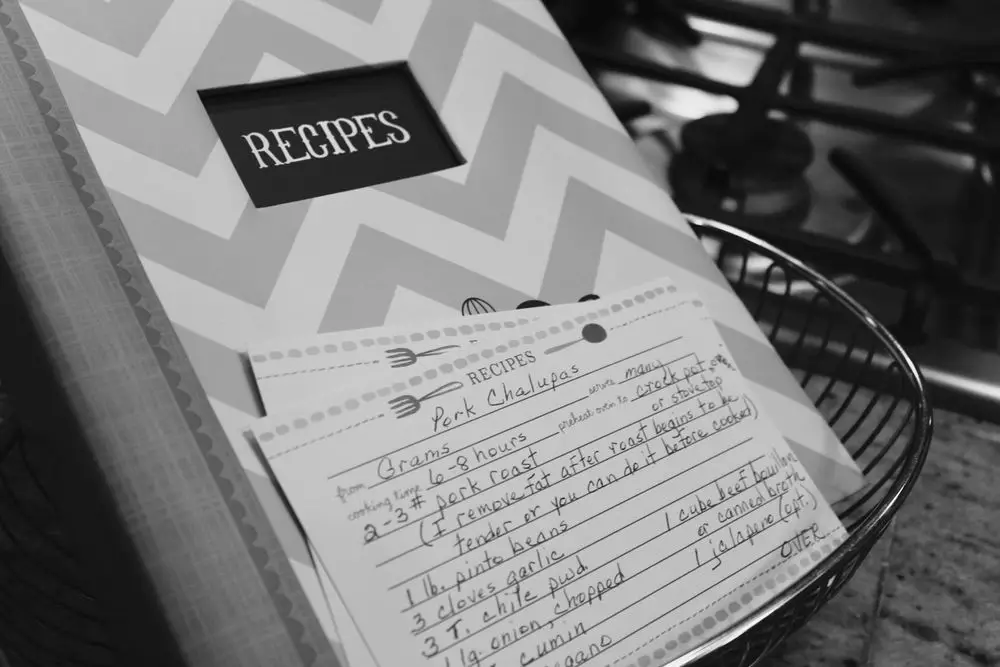
It also helps to write the answers down somewhere, even briefly, rather than trusting memory alone. Answers change over time, and having a record of what your partner said at twenty six versus what they say at forty gives you something honest to look back on, especially during the moments when a marriage feels hard and you need to remember why you chose each other in the first place.
That instinct to write things down instead of trusting them to memory is exactly why Memoracy exists. It gives you a place to answer one meaningful prompt a day and build a real record of your life, and when a partner or family member joins too, your timelines connect into a shared history you can both look back on for years.
The questions above are a good place to start. Where you keep the answers matters just as much.
Sign up and start your first story on Memoracy today.